


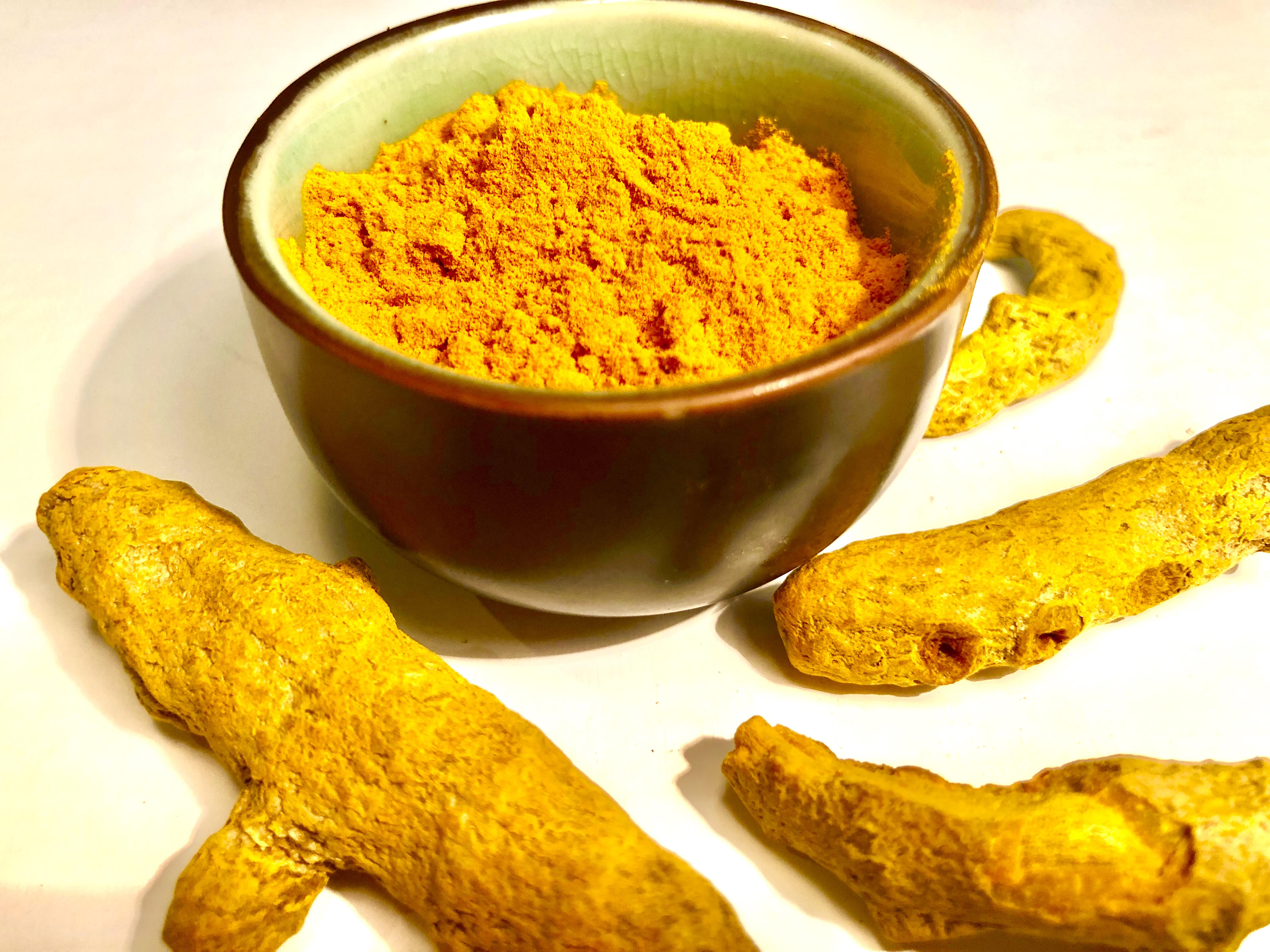
 Botanical name: Curcuma longa
Indian name: Haldi
Family: Zingiberaceae
Turmeric, also known as haldi, is one of the most treasured spices in Indian Cuisine and traditional medicine. Its vibrant golden yellow color and earthy flavor have made it a staple condiment and coloring agent in kitchens for centuries. However, turmeric is more than just a culinary spice. It has a long history of use in alternative remedies and Ayurvedic practices for supporting overall health and well-being.
What is Turmeric?
Turmeric is the rhizome, or underground stem, of the Curcuma longa plant. It belongs to the Zingiberaceae family, the same botanical family as ginger. It contains several naturally occurring compounds, including curcuminoids, with curcumin, being a primary healing component.
The Golden Spice
The simplest way to enjoy turmeric is by using it in everyday cooking. You can add it to curries, dals, vegetables, rice, soups, marinades, meat, and chicken dishes. A little turmeric adds beautif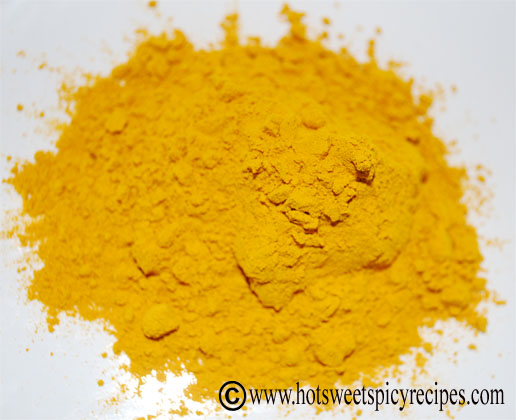 ul color, earthy flavor, and brings a healing touch to everyday meals.
I believe turmeric possesses miraculous curative properties, besides serving as an extraordinary spice with a rich history, culinary versatility, and ongoing scientific interest. So the next time you reach for that jar of golden turmeric powder, remember it’s more than a spice. It is a treasured part of our food, culture, and tradition, and embodies centuries of the food-as-medicine philosophy.
In our home, we use turmeric generously, both in cooking and as a medicinal remedy. Our go-to cure for colds, coughs, and sore throats, or just to build general immunity, is “Haldi Milk”, the now-trending turmeric latte. A simple version of haldi milk is to stir a teaspoon of turmeric into warm milk with a dash of black pepper and cinnamon, adding honey for taste. I drank it all my life growing up and served it to my children from a young age. They learned to enjoy it and affectionately called it “healthy dudu” (the term dudu or doodh stands for milk in Urdu and Hindi), meaning “healthy milk”!
Turmeric Benefits
Turmeric is known for its various therapeutic uses, including anti-inflammatory, antibiotic, antioxidant, hypoglycemic, and antiseptic properties.
Health Remedies of Turmeric
Turmeric has been traditionally used in many cultures for a wide range of purposes. Some common medicinal uses include:
- Coughs and Colds: Warm turmeric milk is a popular traditional home remedy for soothing an irritated throat, clearing phlegm, and providing comfort during a cold. Turmeric acts as an expectorant and decongestant, helping reduce throat, bronchial, and respiratory issues. Fresh turmeric and garlic smashed in a mortar and pestle and mixed with a spoon of honey can help alleviate respiratory infections.
- Ashtma, Tuberculosis, Bronchitis: Turmeric powder or ground turmeric root mixed with warm ghee/clarified butter is recommended to be eaten for treating coughs and colds, spasms of asthma, and nasal congestion.
- Digestive Health: Traditionally, turmeric has been used to support digestion and relieve occasional bloating and gas. Turmeric is used as a carminative and stomachic in the treatment of digestive disorders such as flatulence, bloating, loss of appetite, and for expelling intestinal worms. It can be taken with yogurt to treat diarrhea.
- Post-Surgery Healing: Warm Turmeric Milk is recommended post-surgery for its antiseptic properties to increase the rate of healing and decrease pain. It’s also recommended for external and internal injuries to reduce pain, swelling, inflammation, wounds, and damage to muscles, bones, ligaments, and tendons.
- Inflammation and Joint Discomfort: Curcumin, one of turmeric’s major compounds, has been studied for its potential anti-inflammatory effects, particularly in relation to joint discomfort, stiffness of bones, and osteoarthritis.
- Antioxidant Support: Turmeric contains compounds with antioxidant activity that may help protect cells from oxidative stress.
- Prevent Blood Clots: Turmeric can reduce the risk of forming blood clots and help in treating vascular thrombosis. It is said to lower the chances of a heart attack by inhibiting the platelets from sticking and clumping together.
- Liver and Pancreatic health: Turmeric has been used to support liver and digestive health. Turmeric protects the liver from toxins and cholesterol and may enhance the secretion of bile and digestive juices. Turmeric taken with whey- the water of curds or the remaining water from coagulated milk can be used for treating liver diseases.[ Turmeric has also been checked for its possible cholagogous influence (the action of stimulating the gallbladder to contract and release bile into the small intestine) on the secretion of bile, pancreatic, and gastric juices.]
- Blood disorders and Anemia: Turmeric is said to be beneficial for blood disorders since it helps purify, stimulate, and build blood.
- Metabolism: Turmeric promotes metabolism in the body, correcting both excesses and deficiencies, and aids in the digestion of protein. It is claimed to help reduce adipose tissue and break down cellulite in the body. Apparently, when mixed with honey in equal proportions and taken twice a week, it facilitates detoxification, reduces water retention, and thus makes the body look toned.
- Anti-Cancer: Turmeric is being studied for its potential anti-carcinogenic properties which may inhibit cell proliferation, suppress invasion and migration, promote cell apoptosis, induce autophagy, decrease cancer stemness, increase reactive oxygen species production, reduce inflammation, trigger ferroptosis, regulate gut microbiota, and serve as an adjuvant therapy. Clinical trials are underway to assess how it prevents some cancers from metastasizing.
- Alzheimers and Depression: Turmeric may slow the progression of Alzheimer’s disease by removing amyloid plaque buildup in the brain. Additionally, it may help reduce depressive symptoms by modulating neurotransmitter function through brain-derived neurotrophic factor.
- General wellness and immunity: Turmeric milk or turmeric + ginger+lemon tea is considered good for general wellness and building immunity in the body. During the COVID pandemic, our family diligently drank turmeric-ginger-lemon tea with honey every evening to build resistance to infections.
Beauty and Skin Care with Turmeric
Turmeric has also been used traditionally in Indian skin-care practices for generations. It is often combined with ingredients like yogurt, gram flour, honey, or milk to create masks and pastes.
- Acne and pimples: Applying a paste of turmeric mixed with water toacne and pimples overnight or at least a couple of hours helps reduce the size of the pimple , promotes healing and fade blemishes and scars.
- De-Tan and Rejuvenate: Turmeric mixed with cream of milk and gram flour can be applied to face and body to reduce tanning, enhancing skin glow, while also helping to remove excessive hair on the skin. A paste of turmeric, fresh cream, and sandalwood powder is effective for rejuvenating dry, tired skin.
- Cuts and Bruises: Turmeric is applied externally for cuts and bruises, which helps stop bleeding, speeds healing, and acts as an antiseptic.
- Sunburn, Eczema, and Psoriasis: A combination of turmeric with aloe vera gel can soothe sunburn and help skin issues like psoriasis and eczema.
Caution: Applying turmeric directly to the skin can cause skin irritation to some people. Turmeric can also cause temporary yellow staining.
Disclaimer
This article is for general educational purposes and reflects some traditional home remedies of turmeric. It is not medical advice and should not be used to diagnose, treat, or cure any disease. I am not a physician, Ayurvedic practitioner, or licensed healthcare professional. Traditional alternative remedies should not replace appropriate medical evaluation or treatment.
Check the recipe of Golden Turmeric Milk: Golden Turmeric Milk – Haldi Doodh | Hot Sweet Spicy Recipes
Check the recipe for Turmeric-Ginger Tea: Turmeric Ginger Tea | Hot Sweet Spicy Recipes